

The allure of high-stakes gambling
The thrill of high-stakes gambling captivates many individuals, often drawing them into a world that blends excitement with risk. This allure is deeply rooted in psychological factors such as adrenaline, dopamine release, and the desire for validation. For some, the casino environment—with its flashing lights, sounds of spinning reels, and the anticipation of winning—stimulates an intense emotional response that can be entirely consuming. In this landscape, there are intriguing opportunities, such as sweepstakes casinos, that further enhance the experience for players.
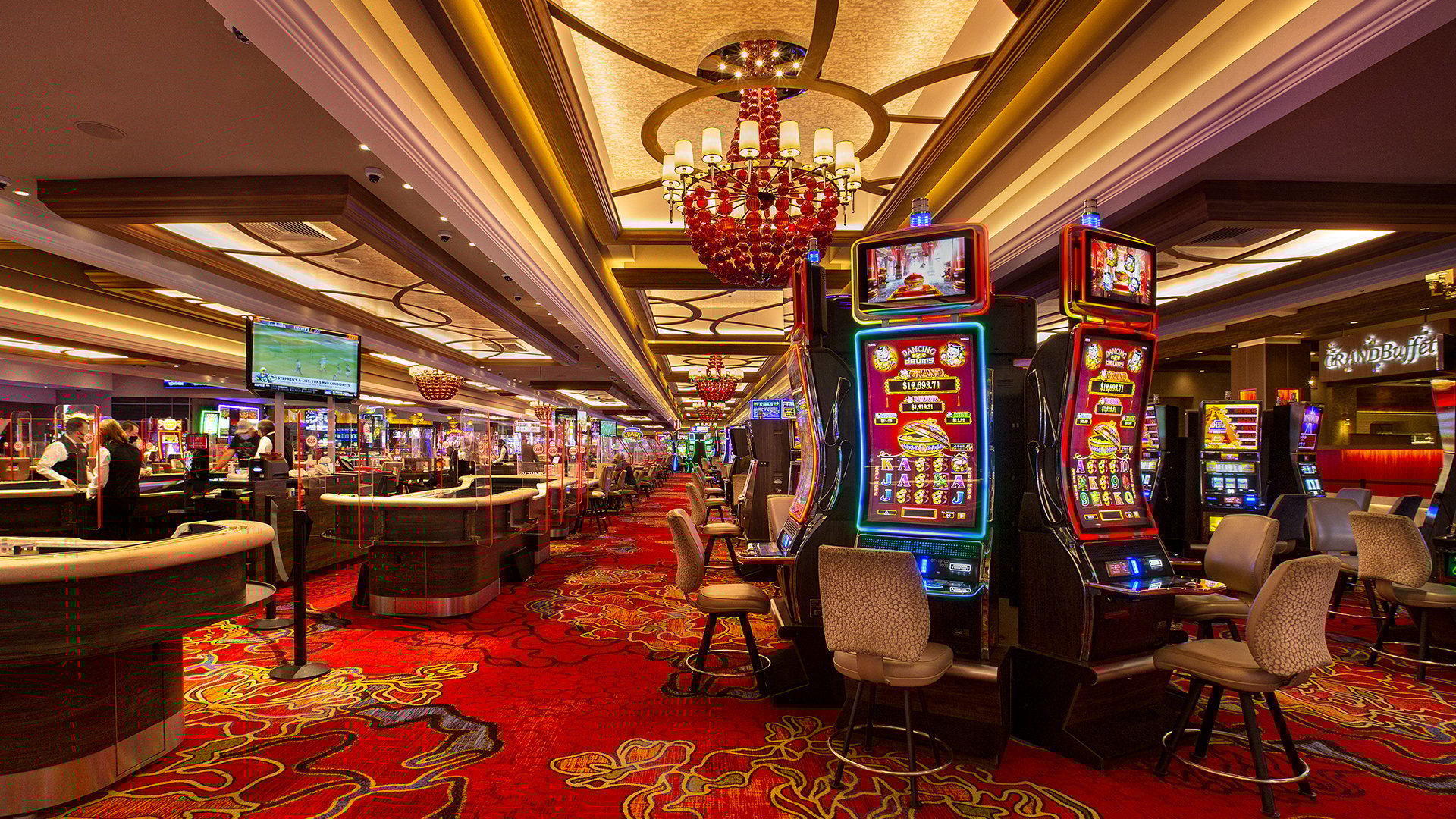
Moreover, the prospect of high rewards can significantly influence decision-making. Players often engage in high-stakes games with the belief that a substantial win could drastically improve their quality of life. This notion can lead to a phenomenon known as ‘loss chasing,’ where individuals continue to gamble in an attempt to recover losses, demonstrating how the psychological interplay of hope and despair drives risky behavior in the casino.
The role of cognitive biases
Cognitive biases play a crucial role in high-stakes gambling strategies. One common bias is the illusion of control, where gamblers believe they can influence the outcome of a game, despite it being largely based on chance. This belief can lead players to adopt specific strategies or patterns, convinced that their actions can sway luck in their favor, even in purely random games like slots or roulette.
Another significant bias is the gambler’s fallacy, the erroneous belief that past events will influence future outcomes. For instance, a player may think that a particular number on the roulette wheel is “due” because it hasn’t come up recently. These biases can distort rational thinking and result in poor decision-making, which is often compounded by the high-stakes nature of the games being played.
Emotional highs and lows in gambling
The emotional rollercoaster experienced during high-stakes gambling can profoundly affect a player’s strategy and behavior. Winning brings a sense of euphoria, while losing can lead to feelings of frustration or devastation. This emotional volatility can cloud judgment, prompting players to make impulsive decisions rather than employing calculated strategies. The immediate feedback loop of wins and losses heightens emotions, making it difficult for players to maintain a clear perspective.
Furthermore, the social aspect of gambling can amplify these emotional highs and lows. Players often experience heightened excitement in a communal environment where cheers and celebrations accompany wins. Conversely, observing others’ success can intensify feelings of jealousy or inadequacy, driving players to chase losses even more aggressively. This dynamic creates a challenging psychological environment that can warp a player’s strategic approach.
Effective strategies influenced by psychology
Understanding psychological principles can lead to the development of more effective gambling strategies. For instance, awareness of biases can empower players to make more rational decisions, resisting the urge to rely on flawed assumptions. Bankroll management is another strategy that benefits from psychological insight; players who set limits for themselves are less likely to fall victim to emotional volatility, maintaining a more disciplined approach to high-stakes games.
Additionally, strategies such as setting win and loss limits before entering a casino can help manage expectations and emotions. Recognizing the psychological triggers that lead to impulsive behavior, players can plan their gaming sessions with a clearer mindset. This proactive approach to strategy allows for a more enjoyable experience, reducing the chances of gambling-related stress and potential negative consequences.

Maintaining a secure gambling environment
The importance of a secure gambling environment cannot be understated, especially in the context of high-stakes gaming. Casinos implement various measures to ensure player safety, including robust security protocols and responsible gambling practices. These measures aim to create an atmosphere where players can focus on their strategies without the distraction or anxiety of external threats.
Furthermore, platforms that prioritize user security can enhance the overall gambling experience by instilling confidence in players. When individuals feel safe, they are more likely to enjoy the psychological thrill of gambling while remaining mindful of their strategies and limits. This balance between excitement and security is essential for fostering a sustainable gambling culture that prioritizes player well-being.